
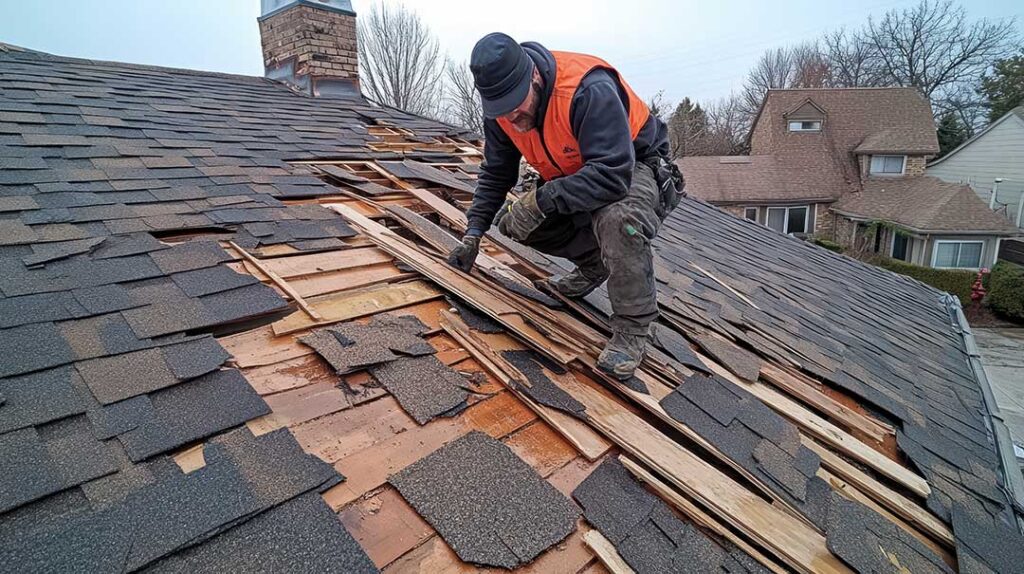
What Should You Do First If You Notice a Leak?
The initial priority upon finding water dripping or staining your ceiling is to minimize damage and identify where the water is entering. Move furniture, electronics, and valuables away from the leak. Place a bucket or large container under any dripping water to catch as much as possible, and lay down towels or plastic sheeting to protect floors. If water bubbles are forming in the ceiling paint, carefully poke a small hole with a screwdriver or sharp object to release the water into a container—this can prevent the bubble from bursting and spreading damage unpredictably.
In the climate of Honeoye Falls, sudden leaks are most commonly noticed during heavy rain, spring thaws, or rapid snowmelt, so acting quickly during these events helps reduce long-term harm.
Is It Safe to Access the Attic or Roof Yourself?
If you can do so safely, check your attic for signs of water entry or visible leaks. This step is best done only when conditions are stable—do not go into an attic or onto a roof during dangerous weather, or if the leak seems large or electrical hazards are present. Look for:
- Damp insulation or wood
- Water stains on rafters
- Active drips or pooling water
If the source seems immediately dangerous (for example, if water is close to electrical wires or fixtures), shut off power to that area of your home until it has been checked.
Never climb onto a roof during a storm, in icy conditions, or if there is standing water. Roof surfaces in the Honeoye Falls area can be especially slippery after freeze-thaw cycles or moss growth.
How Can You Temporarily Stop or Slow the Leak?
Short-term solutions can buy time until repairs are possible, but these won’t replace proper roof work. If you identify a clear entry point in the attic and water is actively flowing, you can try:
- Placing a piece of heavy plastic sheeting or tarp over the leak area (from inside the attic, never outside during unsafe weather)
- Channeling water into a container using plastic, a funnel, or a cleared path
- Mopping up standing water to help reduce lasting moisture damage
Avoid packing towels into holes or saturating insulation, as this can encourage mold growth.
What Clues Can Help You Find the Leak’s Source?
The source of a roof leak is not always directly above where the water shows up indoors. Water can travel along rafters or beams and appear many feet from its entry point. After the leak, once things are safe, inspect common weak spots including:
- Valleys where two roof slopes meet
- Flashing around chimneys or vent pipes
- Edges near gutters and eaves, especially after ice damming
- Shingles missing or damaged by wind, hail, or fallen branches
In the Honeoye Falls area, substantial snow loads and spring meltwater can create ice dams along roof edges. These force water backward and under shingles, so leaks after a thaw often begin near exterior walls rather than at the roof’s peak.
Should You Try a DIY Fix?
Small, visible issues such as one or two cracked shingles, or obvious caulking/filling gaps at flashing, may seem fixable with off-the-shelf products. However, many temporary sealants fail quickly in the variable weather conditions seen in Honeoye Falls. Use only roofing-rated tars or caulks as a stopgap until a permanent repair is possible—never use household products or plumbing sealants.
If the roof structure feels spongy, there’s visible mold, or you suspect large sections are impacted, avoid major repairs yourself. Structural or widespread moisture damage can compromise safety and may require a building permit for major replacement. Residents often overlook the risk of additional leaks caused by walking on brittle or weather-damaged roofs in early spring or late fall.
How Can You Prevent Hidden Water Damage in Your Home?
Even a small, brief leak can soak insulation, lead to ceiling stains, or eventually spur mold growth. After controlling the active leak, focus on drying out the affected area as soon as possible:
- Increase air flow by running fans, dehumidifiers, and opening windows (weather permitting)
- Remove any damp insulation and replace it once the area is dry
- Monitor for musty odors or stains over the next few weeks, as some issues only appear later
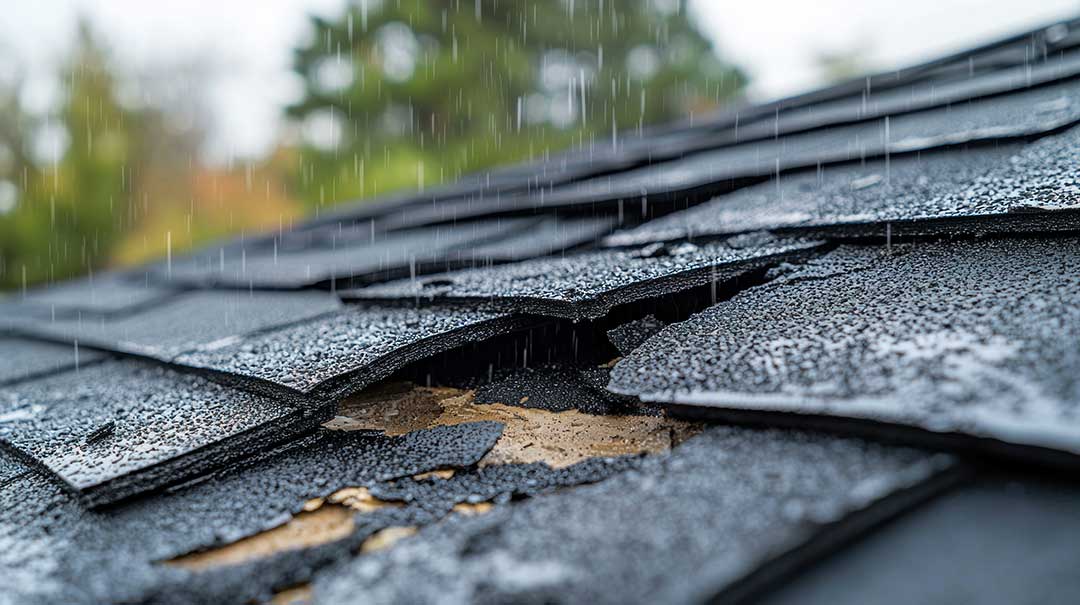
Ceiling, wall, and attic spaces may retain moisture if not fully dried out. Mold is more likely to develop in homes kept at lower temperatures or with limited ventilation during Honeoye Falls’s long winter months.
What Mistakes Do Homeowners Commonly Make After Finding a Leak?
Some of the most frequent missteps include:
- Waiting too long to address the leak, leading to significant drywall, flooring, or electrical damage
- Assuming small stains are not a concern—sometimes leaks are intermittent and only show during heavy rains or specific thaw periods
- Covering up water marks with paint before the attic or ceiling cavity is truly dry
- Not checking exterior gutters and downspouts for blockages, which can contribute to repeat leaks, especially after the area’s leafy autumns
When Does a Roof Leak Require Immediate Professional Attention?
For many leaks, you can manage the immediate risks yourself and assess the situation. However, some situations do require urgent outside help:
- Large amounts of water are coming in and ceiling sagging is visible, raising collapse risks
- Water is entering through complex roof structures, such as dormers or multiple valleys, where finding the source is critical for structural safety
- Signs of electrical risks (flickering lights, wet junction boxes, or outlets)
- Mold or mildew growth appears rapidly after the leak is stopped
If you ever feel unsafe or unsure, err on the side of caution and involve experts—the risks of structural failure or dangerous mold exposure can be higher than expected, especially for older homes in Honeoye Falls.
