

How Do Animals Commonly Reach Roofs in Honeoye Falls, NY?
Animals can access roofs in Honeoye Falls in several ways, typically by climbing trees, utility lines, or using overhanging branches. Squirrels, raccoons, and birds are well-adapted to navigating these pathways. Overgrown landscaping, especially mature trees common in established neighborhoods, provides direct access for local wildlife. Roofs with older, warped, or loose shingles may also offer more entry points than those in newer condition.
What Types of Damage Can Animals Cause to Roofs?
The most frequent damage includes torn shingles, chewed roof decking, blocked gutters, and disturbed attic insulation. These issues vary depending on the animal:
- Squirrels often gnaw through shingles, soffits, and wood decking to create nesting sites.
- Raccoons are powerful enough to tear up shingles and push open vent covers or roof edges.
- Birds can clog gutters with nesting material, remove protective granules from shingles, and corrode materials with droppings.
- Bats and Mice squeeze through tiny gaps to nest and can damage insulation or wiring in attic spaces.
Small problems can worsen rapidly. Chewed areas let in moisture, while blocked gutters cause overflow that accelerates wear along the roofline. Sometimes, repeated animal traffic weakens spots, leading to slow leaks or insulation problems that may not become obvious until significant damage occurs.
Which Animal Signs Should Homeowners Watch For?
Look for subtle clues around the home and roof that may signal animal activity. Early recognition helps prevent more serious issues.
- Scratching or movement noises in the attic or walls, especially at dawn or dusk
- Small piles of nesting material protruding from eaves or gutters
- Shingle fragments, insulation, or chewed wood on the ground near downspouts
- Unexplained roof stains or patches of missing granules
- Visible droppings at roof edges, near chimneys, or along siding
- Torn or shifted soffit panels and vent covers
Homeowners often overlook faint scratching or droppings, mistaking them for normal dirt. Any such sign is worth investigating, given the persistent wildlife population and seasonal shifts in Honeoye Falls.
How Do Seasons in Honeoye Falls Affect Animal Activity on Roofs?
Seasonal patterns strongly influence wildlife behavior. Winters drive animals to seek warmth, making attics attractive. In spring, mating and nesting prompt more aggressive entry attempts, while summer brings young animals learning to roam. Autumn leaf fall can plug gutters and mask animal entryways.
Homes near wooded areas or streams may see activity increase during certain months, especially following harsh weather. After windstorms or heavy snow, damaged soffits and loose shingles create more entry points for opportunistic animals.
What Practices Reduce Animal-Related Roof Damage?
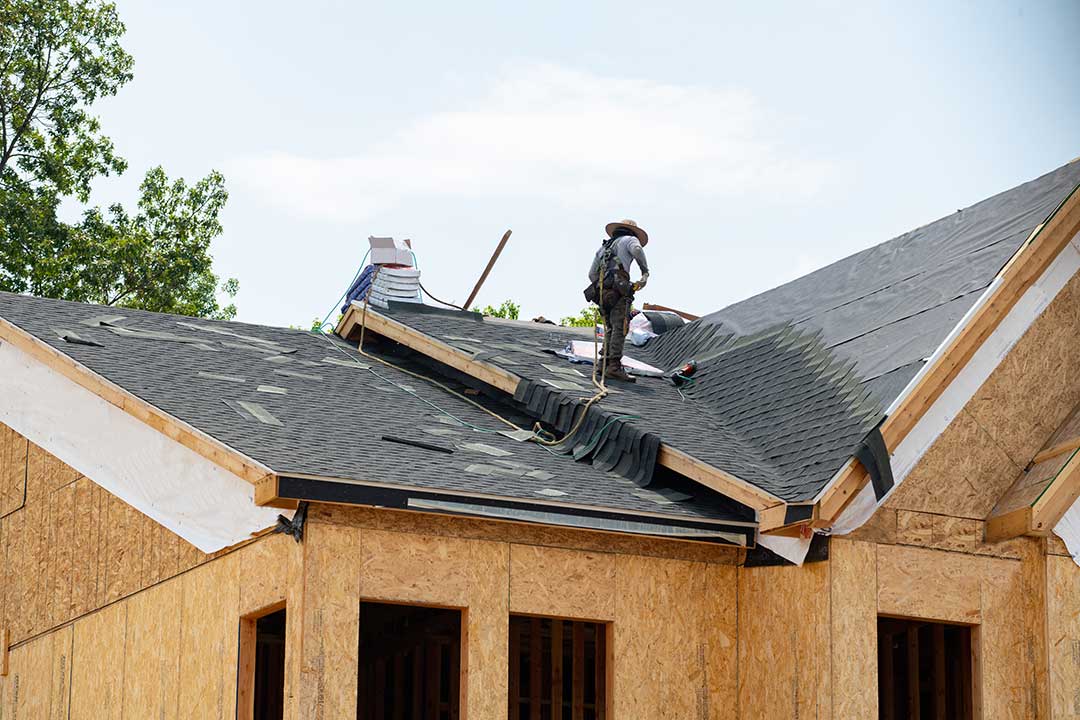
Several low-cost, practical steps can limit animal intrusion and help preserve roof condition:
- Regularly trim tree branches away from the roof to prevent direct access.
- Clean gutters at least twice a year, particularly during fall.
- Inspect attic vents, soffits, and roofline for loose or damaged sections and repair quickly.
- Store garbage in secured bins and avoid leaving food outside, which attracts larger mammals.
- Watch for power or telephone lines running close to the roof and consider protective barriers where feasible.
- Schedule a detailed attic check before and after each winter to catch hidden nests or entry damage.
Relying on poison or harsh chemicals is discouraged; these can create further messes or endanger pets and local wildlife. Mechanical prevention and regular inspection fit the region’s balance of nature conservation and household maintenance.
Can Animal Presence Affect Roof Warranties or Insurance?
Insurance policies may cover sudden damage, such as a raccoon breaking through a roof during a storm, but typically exclude gradual wear caused by neglect. Roof warranties from manufacturers also may not apply if shingle damage results from animal chewing or pecking. Documentation of routine maintenance, including wildlife prevention efforts, can support claims if sudden or extensive damage does occur.
Many residents expect insurance to cover all roof problems, but exclusions for gradual or preventable damage are standard practice across the region.
Are Certain Roof Materials More Resistant to Wildlife?
Harder materials, such as metal roofing or premium composite shingles, can be more challenging for animals to penetrate than traditional asphalt. Metal drip edges and heavy-duty vent covers provide added security at vulnerable points. Homes with older cedar shake or poorly maintained asphalt roofs are particularly attractive to squirrels and raccoons due to the ease of access and chewing.
Routine inspection and minor reinforcement in problem areas typically provide the best results, rather than a full roof replacement solely for animal resistance.
