
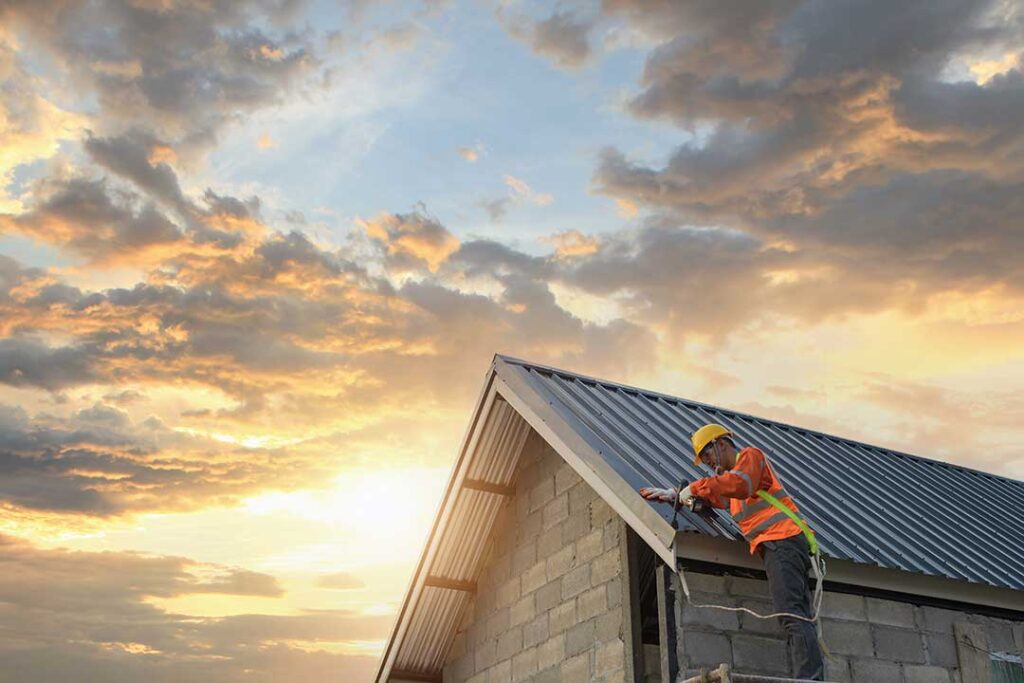
Roof maintenance is easiest when it follows the seasons. In Honeoye Falls, NY, roofs must handle snow, ice, wind, rain, freeze-thaw cycles, falling leaves, and summer heat. A seasonal inspection routine can help residents notice small problems before they become leaks, structural damage, or indoor moisture issues.
The checklist below is designed for typical homes in the area, including older houses, additions with different rooflines, and properties surrounded by mature trees.
What should be checked in early spring?
Early spring is the right time to look for damage caused by snow, ice, and winter wind. The most useful inspection begins from the ground and continues through the attic if conditions allow.
Look for:
- Missing, cracked, curled, or displaced shingles
- Dark areas or water stains on roof surfaces
- Sagging along the roofline or at the edges
- Damaged flashing around chimneys, vents, skylights, and wall intersections
- Loose or detached gutters and downspouts
- Granules collecting in gutters or at the base of downspouts
- Moss or algae growth in shaded, damp areas
- Ice-dam damage along eaves
A roof does not need to be visibly leaking inside the house to have sustained winter damage. Water can travel along roof decking, insulation, framing, or interior wall cavities before appearing as a ceiling stain.
The attic may reveal problems that are not visible outdoors. On a dry day, check for damp insulation, rusty nails, mold-like spotting, daylight through the roof boards, or a musty odor. Do not enter an attic if the floor is incomplete or unsafe.
How should gutters and downspouts be maintained after winter?
Gutters should be cleared of leaves, shingle granules, nests, and compacted debris in spring. Downspouts should discharge water far enough away from the foundation to prevent repeated pooling beside the house.
Check that:
- Gutters slope gradually toward their outlets
- Seams and end caps are not leaking
- Downspouts are firmly attached
- Extensions have not shifted during winter
- Water is not spilling behind the gutter
- Splashing water is not eroding soil near the foundation
Heavy snow and ice can pull gutters away from fascia boards. A gutter that looks level from the ground may still have a hidden low spot where water collects and freezes.
Cleaning gutters from a ladder presents a fall risk, especially on uneven ground or near overhead utilities. If access is hazardous, the task should not be treated as a routine do-it-yourself project.
What roof maintenance is useful during summer?
Summer is a good time to examine ventilation, flashing, roof penetrations, and areas that receive strong sunlight. Warm weather also makes it easier to identify minor exterior repairs before colder conditions arrive.
Check roof surfaces for:
- Shingles that are blistered, brittle, or lifting
- Exposed nails or deteriorated sealant
- Loose flashing around masonry and vents
- Cracks around plumbing vent boots
- Tree limbs rubbing against the roof
- Excessive moss or plant growth
- Sagging or uneven roof planes
Tree branches should not scrape against shingles during windy conditions. They can remove protective granules and create pathways for water. Branches that overhang the roof also drop leaves and retain moisture, increasing the chance of moss growth and clogged drainage.
Roof ventilation deserves attention during hot weather. A poorly ventilated attic can become extremely warm, which may shorten shingle life and contribute to moisture problems during winter. Signs of ventilation concerns include unusually high attic temperatures, damp insulation, peeling paint near upper ceilings, or frost on roof framing in cold weather.
Roof vents should not be blocked by insulation. However, attic ventilation changes should be planned carefully because adding openings without a balanced intake and exhaust system may not solve the underlying problem.
What should be done before autumn leaves begin to fall?
Before fall debris accumulates, inspect the roof drainage system and remove anything that could block water flow. Mature trees can place a heavy maintenance burden on roofs and gutters, particularly during windy weather.
Before the first major leaf drop:
- Clear roof valleys of leaves and twigs
- Remove debris from gutters and downspouts
- Check that gutter screens or guards are not packed with small particles
- Trim only branches that are safely accessible
- Look for damaged flashing and exposed fasteners
- Confirm that downspouts direct water away from the foundation
- Inspect attic insulation and ventilation for moisture concerns

Roof valleys deserve special attention because they collect water from two sloping roof sections. Leaves trapped in a valley can hold moisture against shingles and conceal damaged materials.
It is usually safer to remove light debris from the ground with a roof-safe tool than to walk on a wet or steep roof. Asphalt shingles can become slippery, and hidden weak areas may not support a person’s weight.
How can a roof be prepared for snow and ice?
Snow preparation starts before winter arrives. The goal is not to eliminate all snow and ice, which is often impractical, but to reduce conditions that allow water to enter the building.
Before freezing weather:
- Complete repairs to visible roof damage
- Clear gutters and downspouts
- Check attic insulation for gaps or compressed areas
- Confirm that bathroom and kitchen exhaust fans vent outdoors
- Inspect flashing around chimneys, dormers, skylights, and roof-to-wall joints
- Make sure attic air passages are not blocked
- Secure loose outdoor items that could strike the roof during high winds
Ice dams form when heat escapes into the attic and melts snow on warmer roof sections. The water can refreeze near colder eaves, creating a ridge that blocks drainage. Repeated ice buildup may force water beneath shingles and into ceilings or walls.
Removing snow or ice from a roof can be dangerous and may damage shingles, gutters, or flashing if done incorrectly. Roof rakes used from the ground can reduce some snow load, but they are not suitable for every roof design. Chopping ice with tools can cause more damage than the ice itself.
Which roof problems need prompt attention?
Some conditions should not wait for the next seasonal inspection. Prompt attention is warranted when there is:
- Active water dripping indoors
- A growing ceiling stain
- A sagging roof deck or ceiling
- A large section of missing shingles
- Exposed underlayment or wood
- A fallen branch resting on the roof
- Loose flashing after a storm
- Water entering near a chimney, skylight, or vent
- Electrical fixtures affected by water
Place a container under an indoor drip if necessary, but avoid standing beneath a visibly sagging ceiling. If water is near electrical wiring, switches, or fixtures, shut off power to the affected area only if doing so is safe.
How often should a roof be inspected?
A practical schedule is to inspect the roof and drainage system in spring and fall, then check again after severe wind, heavy snow, ice buildup, or a nearby tree event. Homes with older roofing, complex rooflines, large trees, or recurring attic moisture may need more frequent observation.
A useful maintenance record can include the inspection date, weather conditions, areas checked, photographs, and any changes noticed. Tracking small details over time makes it easier to distinguish normal aging from a new problem.
Routine observation does not replace a qualified evaluation when safety is uncertain or damage is difficult to reach. Walking on a roof, working near power lines, removing heavy snow, and investigating structural movement can create serious hazards. In those situations, staying on the ground and documenting the concern is the safer choice.
