
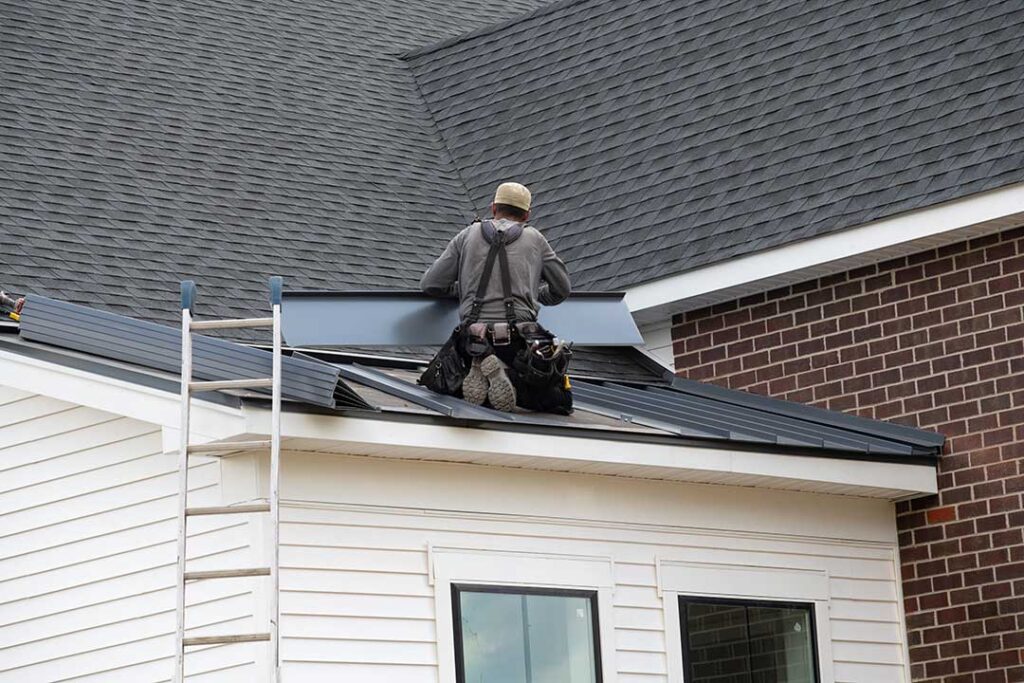
Roofing technology is advancing in ways that go beyond new shingles. Modern systems now focus on moisture control, energy performance, structural monitoring, installation accuracy, and better resistance to severe weather. For homes in Honeoye Falls, NY, the most useful innovations are those that address snow, ice, wind, freeze-thaw cycles, attic ventilation, and the long heating season.
What counts as a roofing innovation?
A roofing innovation can be a new material, a redesigned component, or a better method for inspecting and installing a roof. Some changes are highly visible, such as solar-integrated shingles. Others are hidden beneath the roof covering, including improved underlayments, ventilation systems, fasteners, insulation, and leak-detection sensors.
The most meaningful advances typically do one or more of the following:
- Reduce water intrusion around edges, valleys, chimneys, and roof penetrations
- Improve resistance to wind uplift, impact, and repeated freezing
- Help the roof assembly dry when moisture enters
- Lower summer heat gain without creating winter heating penalties
- Make inspections safer and more precise
- Extend the useful life of roofing materials through better maintenance
A new product is not automatically a better choice for every home. Roof slope, attic design, structural condition, exposure, and installation quality still matter more than a technology label.
Are modern shingles more durable than older roofing materials?
Many current asphalt shingles use stronger fiberglass reinforcement, improved weathering compounds, and more precise manufacturing. Some products are designed to resist impact from hail or wind-driven debris, although performance depends on the specific product rating and installation method.
Synthetic roofing materials are another area of development. Synthetic slate and shake products may imitate traditional materials while reducing weight and maintenance. That can be useful on homes where the structure was not designed to carry heavy natural slate. However, appearance, fire classification, impact performance, and long-term repairability should be reviewed before selection.
Metal roofing has also evolved. Modern panels can include concealed fastening systems, textured finishes, protective coatings, and profiles designed for residential use. Metal can shed snow efficiently, but that is not always an advantage near walkways, entrances, or lower roofs. Snow guards may be needed where sliding snow could create a safety hazard.
Durability claims should be treated carefully. A higher rating does not eliminate the need for correct flashing, ventilation, fastening, and drainage.
How are roofs being designed for snow and ice?
For local homes, winter performance is often more important than a roof’s appearance. Newer roofing systems improve cold-weather performance through layered water-shedding assemblies rather than relying on the outer shingles alone.
A typical modern assembly may include:
- A roof deck with adequate structural support
- An approved underlayment beneath the primary roof covering
- Specialized protection along eaves and valleys
- Properly integrated flashing around walls, chimneys, skylights, and plumbing vents
- Balanced intake and exhaust ventilation
- Carefully sealed penetrations and transitions
Ice dams form when heat escaping from the living space warms portions of the roof while colder areas remain below freezing. Snow then melts, travels toward the colder eave, and refreezes. Improved insulation and air sealing can reduce this uneven roof temperature, but ventilation alone is not a complete solution.
New York’s residential code includes requirements related to roof coverings, wind, and snow-load design. The applicable requirements depend on the building, site, construction date, and scope of work, so roof replacement should not be treated as purely cosmetic when decking, framing, or structural components are involved. ([dos.ny.gov](https://dos.ny.gov/nys-residential-code-noa-7242025?utm_source=openai))
Do cool roofs make sense in a cold climate?
Cool roofs use surfaces with higher solar reflectance and, in many cases, higher thermal emittance. They absorb less solar heat during sunny weather. The Department of Energy notes that cool roofs can be substantially cooler than conventional dark roofs under strong sun, but the benefit depends heavily on climate, insulation, roof type, and heating and cooling loads. ([energy.gov](https://www.energy.gov/cmei/femp/purchasing-energy-efficient-cool-roof-products?utm_source=openai))
For homes in a heating-dominated climate, a highly reflective roof is not automatically the most energy-efficient choice. Reduced summer heat gain can be helpful, especially in finished attic spaces, but winter heating effects, roof color, insulation levels, and air leakage also matter.
Cool-roof technology can be incorporated into several materials, including specialized asphalt shingles, coated metal, and low-slope membrane systems. Product ratings can provide useful information about solar reflectance and thermal emittance. The roofing surface should still be evaluated as part of the entire building envelope rather than as a stand-alone energy upgrade. ([epa.gov](https://www.epa.gov/heatislands/using-cool-roofs-reduce-heat-islands?utm_source=openai))
What role do solar shingles and roof-mounted solar systems play?
Solar-integrated shingles combine roofing and electricity generation in a single surface. Traditional solar panels remain more common, but solar roofing technology continues to develop in appearance, installation methods, and electrical integration.
The main questions are not only whether the roof can produce electricity, but also whether:
- The roof has enough unshaded area
- The structure can support the added equipment
- The roof covering has sufficient remaining service life
- Snow accumulation and access can be managed
- Electrical equipment can be safely installed and maintained
- Future roof repairs will require removing part of the solar system
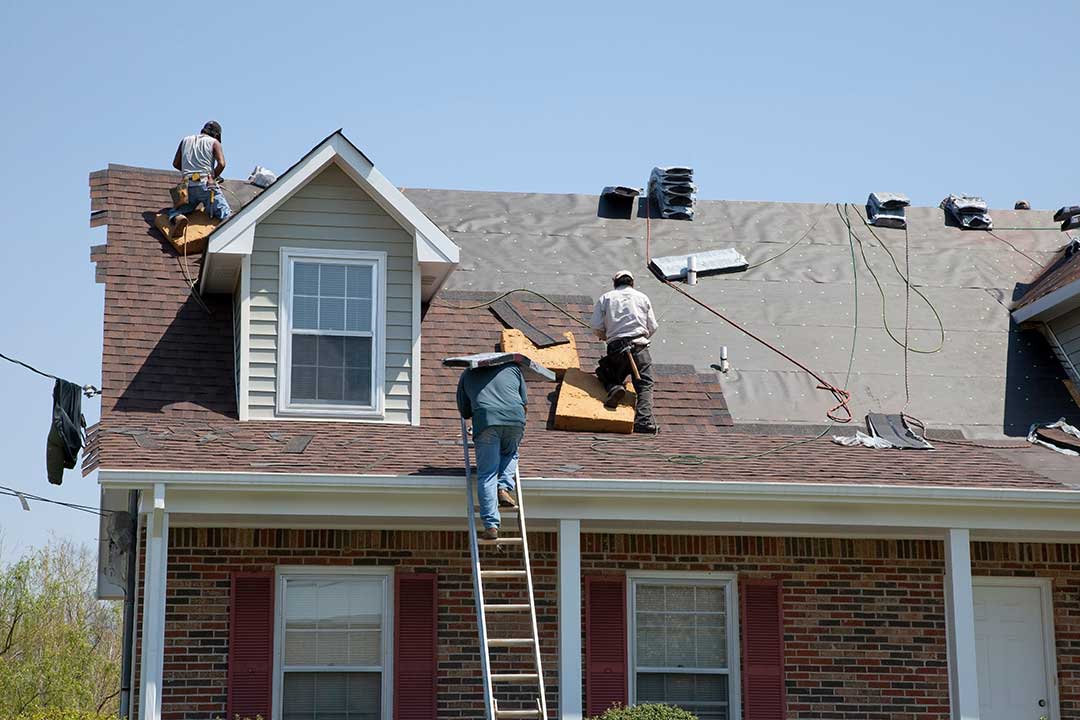
Installing solar equipment over an aging roof can create a maintenance complication. If the roof may need replacement within several years, coordinating both projects can reduce the chance of removing and reinstalling equipment prematurely.
Can sensors detect roof leaks before damage becomes visible?
Remote monitoring is becoming more practical, especially for larger buildings and complex roof assemblies. Sensors may detect moisture, temperature changes, unusual humidity, or movement near vulnerable areas. Cameras and aerial imaging can also help identify damaged flashing, ponding water, missing materials, or clogged drainage paths.
For a typical house, sensors are most useful in locations that are difficult to inspect, such as finished attics, low-slope roof sections, or areas beneath roof valleys and mechanical equipment. They are not a substitute for physical inspection. A sensor may identify moisture without explaining whether the source is a roof leak, condensation, plumbing problem, or indoor humidity.
Drones and high-resolution imaging can reduce the need to walk on fragile or steep roofs. They are especially useful for preliminary documentation after storms, although close inspection is still necessary when materials, fasteners, or flashing details need evaluation.
Are green roofs or living roofs practical for local homes?
Vegetated roofs can manage stormwater, reduce surface temperatures, and support habitat. They are most practical on buildings designed for their added weight, drainage requirements, root barriers, irrigation needs, and ongoing maintenance.
A conventional residential roof cannot simply be converted into a living roof by adding soil and plants. Structural capacity, waterproofing, edge protection, drainage, and access must be addressed first. In a region with snow accumulation and freeze-thaw cycles, the roof assembly must also tolerate seasonal moisture and weight changes.
For most area households, simpler stormwater measures—such as properly sized gutters, downspout extensions, drainage improvements, and rain gardens—may provide some related benefits with fewer structural complications.
Which roofing innovations deserve the most attention?
For an existing home, the most useful technology is often not the newest visible product. Better results usually come from matching the roof assembly to the building and local weather exposure.
Residents evaluating an upgrade should ask:
- Does the technology address a known problem, such as ice dams, attic heat, or recurring leaks?
- Has the product been tested or rated for the intended use?
- Will repairs be possible if one component fails?
- Does the roof structure support the proposed system?
- Will the new material interact properly with insulation, ventilation, and flashing?
- Are code requirements and permit obligations affected?
Innovations are most valuable when they improve the complete roofing system. In Honeoye Falls, that generally means prioritizing reliable water control, sound winter detailing, adequate attic performance, and materials suited to the roof’s slope and exposure before adding specialized features.
