

Do Skylights Make Roofs in Honeoye Falls More Vulnerable to Leaks?
Skylights add natural light but are often questioned for how they affect roof integrity, especially in regions with seasonal weather like Honeoye Falls, NY. Many residents worry that installing skylights increases the likelihood of leaks. This concern is valid, since any roof penetration—including skylights—requires careful installation and ongoing maintenance to avoid water intrusion.
In areas with snowy winters and freeze-thaw cycles, improper flashing around skylights is a common starting point for leaks. If the skylight curb (the raised frame) or flashing is not installed correctly, water can infiltrate between the window and the roofing material. Over time, this can cause interior damage to ceilings, insulation, or even framing. While modern skylights include built-in waterproofing features, older or poorly-installed units remain a risk. Local households should check for water stains or mold near skylights, especially after major storms or snow melts.
How Do Skylights Affect Roof Temperature and Energy Efficiency?
Skylights can change how your home retains or loses heat. Their impact on energy efficiency depends on design, placement, and roof slope, all relevant factors for homes in Honeoye Falls.
A skylight admits sunlight, which can help warm living spaces in winter—a benefit during cold months. However, in summer, especially in unshaded or south-facing situations, skylights can introduce unwanted heat, making upper floors warmer and increasing cooling costs. Glass technology, such as dual glazing or low-E coatings, can reduce this effect, but the net result often depends on both the home’s orientation and how well the skylight is insulated and sealed.
Local homes with attics also need to consider the effect of added warmth near the roof deck. Repeated freeze-thaw around skylights can promote ice dam formation, especially if attic insulation or ventilation is inadequate. Proper placement and choosing units designed for the northern climate can moderate these concerns.
Will Installing a Skylight Alter the Lifespan of a Roof?
Every penetration can change how a roof ages, and skylights are no exception. In Honeoye Falls, where snow load, heavy rainfall, and seasonal debris can accelerate roof wear, introducing skylights adds extra areas that need continued upkeep.
A skylight installation creates seams and joints, requiring both weatherproof seals and flashing. If these elements degrade, the risk for localized roof damage increases. Shingle or roof membrane repairs around the skylight might become necessary before the rest of the roof needs attention. Regular roof inspections—particularly after harsh weather—are vital for spotting minor issues before they spread. When coordinated with scheduled roof maintenance, the impact on overall roof lifespan can be minimized.
Are Skylights Compatible with Local Roof Types and Building Codes?
Most common roofing types in the community—including asphalt shingles, metal, and modern composites—can support skylight installation. However, certain steep-sloped roofs or older roof structures may require structural reinforcement to safely support the skylight’s weight and maintain water tightness.
Residents should be aware that local building codes include requirements for skylight flashing, emergency egress, and, in some cases, safety glazing, particularly if the skylight is above occupied spaces. Compliance helps protect both home value and safety but may also dictate unit size, type, or how close a skylight can be placed to a roof edge or valley. Checking with municipal building officials before planning a skylight project helps avoid costly revisions or code issues.
Do Skylights Increase the Need for Roof Maintenance?
Adding skylights typically means committing to extra routine checks—something to keep in mind for busy households. Beyond standard roof maintenance, it’s best to:
- Inspect skylight seals and flashing annually, especially before and after winter.
- Clear leaves, ice, and snow that can accumulate against skylight curbs, which helps avoid pooling and ice dams.
- Look for condensation inside the skylight or moisture around interior trim as early signs of a failing seal.
- Trim overhanging branches to limit scratching, impact from falling limbs, or increased debris collection around the skylight.
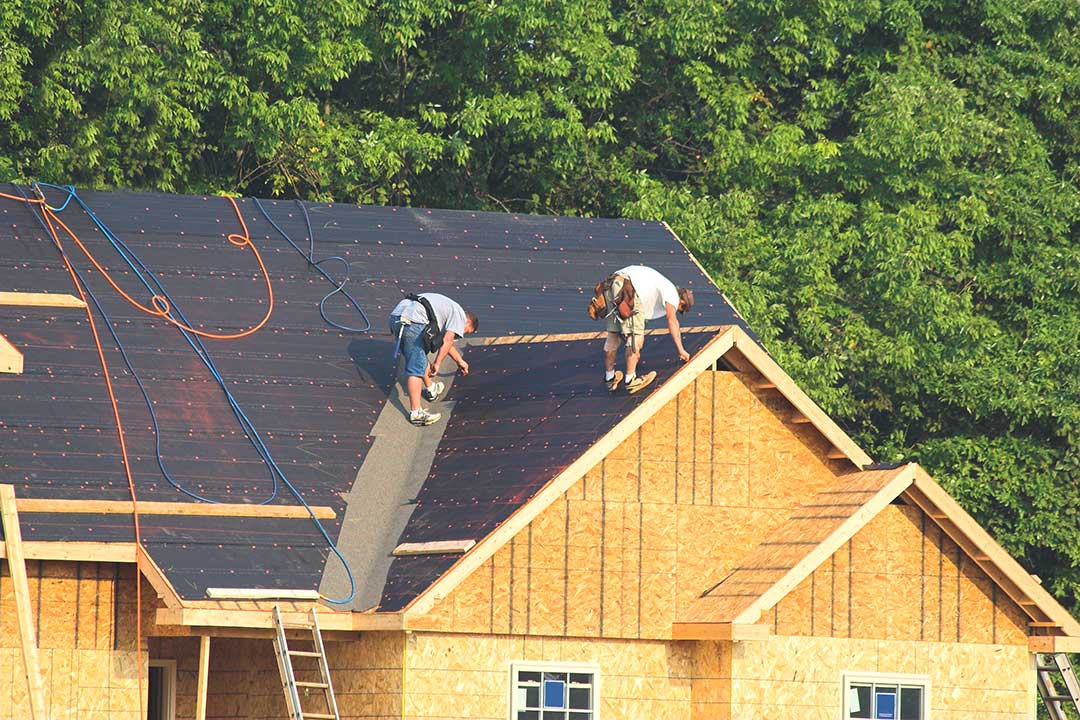
Homes surrounded by mature trees or with older skylights may need more frequent checks to ensure ongoing performance.
Can Skylights Cause Structural Issues in the Long Term?
If installed correctly and maintained, well-designed skylights do not generally compromise the structural integrity of a roof. Problems tend to arise only if structural framing was inadequately adjusted during installation—a risk in older homes where rafters might have been cut or altered to accommodate a larger opening.
To reduce future concerns, it’s standard best practice to reinforce adjacent framing and ensure the roof deck retains its load-bearing capacity. In regions like Honeoye Falls where snow and ice are expected, considering these structural questions at installation time helps ensure both safety and roof longevity.
What Are Common Myths About Skylights on Local Roofs?
Some misconceptions persist regarding skylights among area homeowners:
- “All skylights eventually leak.” Modern manufacturing and best-practice installation have greatly reduced risk, but ongoing maintenance is still needed.
- “Skylights make homes less energy-efficient.” With the right glazing and local placement, skylights can be energy-neutral or even beneficial, especially in winter.
- “Any contractor can install them.” Due to the complexities of waterproofing in the local climate, correct installation is crucial and may require specialized skills.
Understanding how skylights interact with local roof styles and weather conditions helps dispel these myths and allows homeowners to make balanced decisions about adding natural light to their homes.
