
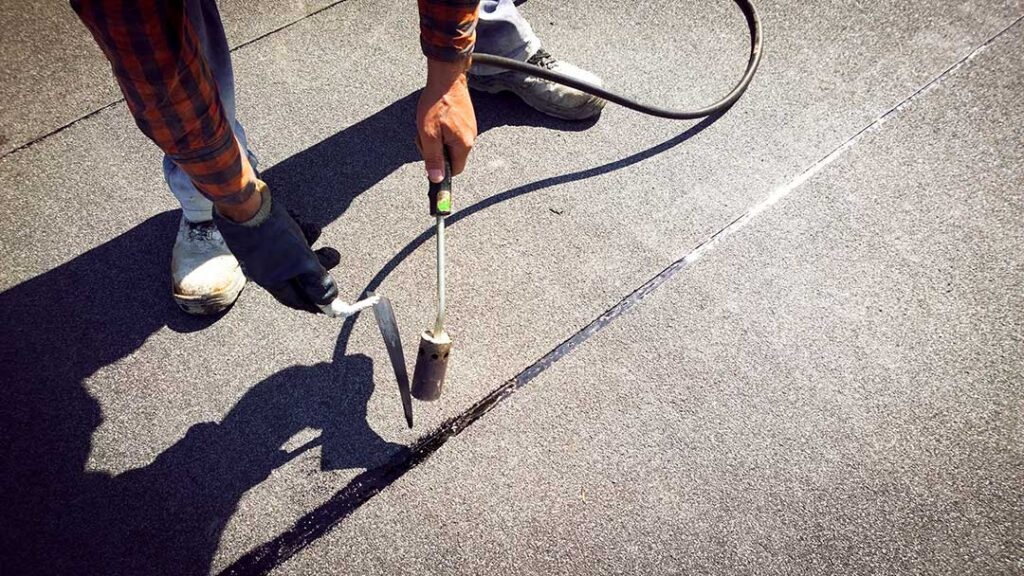
Which roofing material is better for local homes?
Neither asphalt shingles nor metal roofing is universally better. Asphalt shingles are usually simpler and less expensive to install, while metal roofing generally offers a longer service life and stronger resistance to snow, wind, fire, and moisture.
For homes in Honeoye Falls, the more useful question is which material fits the roof’s design, the household’s budget, the expected length of ownership, and the condition of the existing roof structure. Four-season weather adds practical concerns, including freeze-thaw cycles, heavy rain, drifting snow, ice buildup, summer heat, and falling branches.
How do asphalt shingles and metal roofing differ?
Asphalt shingles are layered roofing products made with a fiberglass mat, asphalt coating, and mineral granules. They are available in many colors and styles and are familiar on a wide range of older and newer homes.
Metal roofing can be made from steel, aluminum, copper, or other alloys. Residential systems commonly use interlocking panels, exposed-fastener panels, or standing-seam panels. The performance of metal roofing depends heavily on the metal type, protective coating, panel design, fasteners, flashing, and installation details.
A roof’s visible material is only part of the system. Underlayment, ventilation, flashing, ice-dam protection, drip edges, valleys, and penetrations around chimneys or plumbing also affect how well the roof performs.
Which option lasts longer?
Metal roofing usually has the longer potential service life. A properly designed and maintained system may remain serviceable for several decades, although coatings, fasteners, sealants, and flashing can require attention before the panels themselves wear out.
Asphalt shingles generally have a shorter service life. Basic shingles may require replacement sooner than premium architectural shingles, and actual performance depends on ventilation, attic moisture, sun exposure, installation quality, storm damage, and maintenance.
A longer-rated product is not automatically a longer-lasting roof. Poor ventilation, improperly installed flashing, inadequate fastening, or water trapped beneath the roof can shorten the life of either material.
Which roof handles snow and ice better?
Both systems can work in snowy conditions when the roof is correctly designed and installed. Metal roofing sheds snow more readily because of its smooth surface, but that characteristic can create a hazard above entry doors, walkways, patios, or lower roof sections.
Snow guards may be needed on steeper metal roofs to hold snow in place and release it gradually. Without them, a large sheet of snow or ice can slide suddenly, damaging gutters or creating a safety risk.
Asphalt shingles provide more surface texture, so snow is less likely to slide in one mass. However, they are not immune to ice dams. Ice dams form when heat escapes into the attic, melts snow on the upper roof, and allows water to refreeze near colder eaves. Adequate attic insulation, air sealing, ventilation, and properly installed underlayment are more important than the roof covering alone.
How do the materials perform in wind, rain, and freeze-thaw conditions?
Asphalt shingles can perform well in strong weather when they are properly fastened and sealed. Wind may lift or remove shingles that are brittle, poorly attached, or weakened by age. Repeated freezing and thawing can also expose small weaknesses around flashing and roof penetrations.
Metal panels resist many common forms of weather damage, but they expand and contract as temperatures change. The system must allow for movement without loosening fasteners or stressing seams. Scratches, cut edges, and damaged coatings should be addressed because exposed metal may eventually corrode.
Heavy rain can challenge either material if valleys, eaves, chimneys, skylights, or wall intersections are poorly detailed. Leaks often begin at these transition points rather than in the broad field of the roof.
Is metal roofing noisier than asphalt shingles?
Metal roofing can sound louder during heavy rain or hail, particularly in an unfinished attic or when panels are installed over a lightly built roof assembly. In an insulated home with a solid roof deck, underlayment, and finished ceiling, the difference is often less noticeable.
Asphalt shingles generally produce less rain noise because their textured surface and layered construction absorb more sound. Noise concerns are usually a design and assembly issue rather than proof that one material is unsuitable.
Which roof costs less?
Asphalt shingles usually have the lower initial installation cost. Materials are widely available, roofers are familiar with the installation process, and replacement can be relatively straightforward when the roof has a simple shape.
Metal roofing generally costs more at the beginning. The price can increase further for complex roof geometry, custom flashing, snow guards, premium coatings, or difficult removal of existing materials.
The longer service life of metal roofing may improve its long-term value, especially for a homeowner planning to remain in the house for many decades. That calculation should include maintenance, repairs, future replacement, disposal of old materials, and the possibility that the home may be sold before the roof reaches the end of its useful life.
Can metal roofing be installed over asphalt shingles?
Sometimes, but the answer depends on the roof assembly and applicable code requirements. A metal system may be designed to transmit loads directly to the structural roof system, while other installations may require removal of existing coverings.
The condition of the roof deck must be considered. Covering damaged decking, trapped moisture, or hidden leaks does not solve the underlying problem. Multiple existing roof layers can also add weight and make future repairs more complicated.
In Honeoye Falls, roofing alterations may require compliance with New York State building and energy codes, along with local permit procedures. Permit requirements can vary according to the project, building type, roof structure, and extent of the work.
Which material is easier to repair?
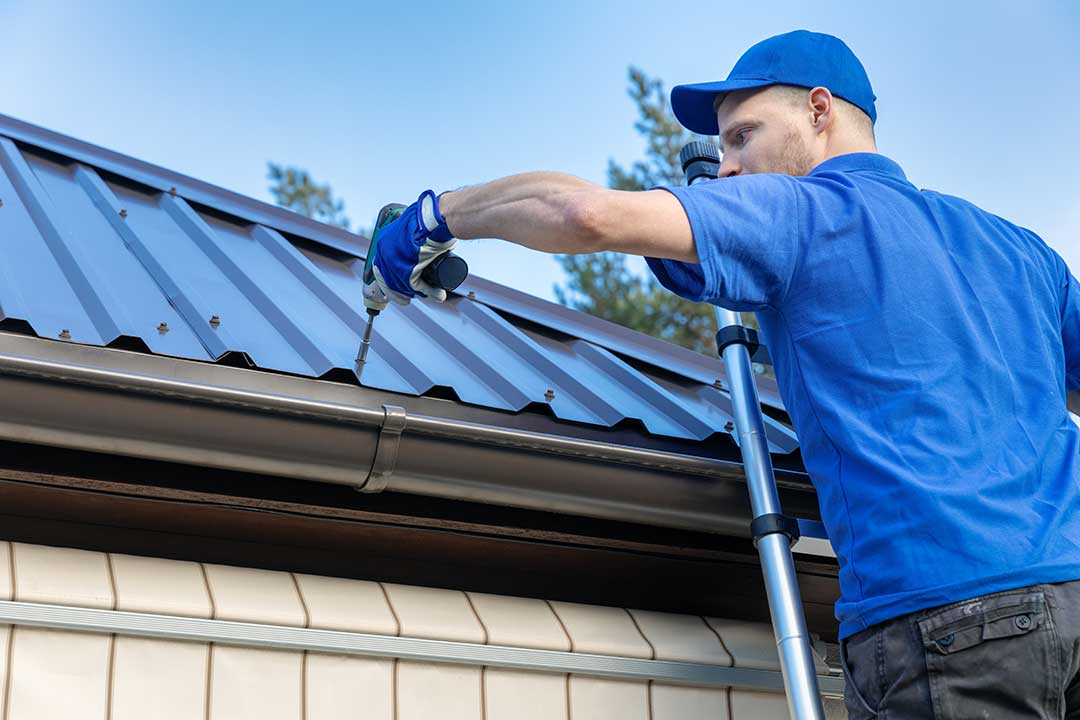
Asphalt shingles are usually easier to repair in small sections because individual shingles can be replaced with common tools and compatible materials. Matching an older color or product can be difficult, especially when the original shingles have faded.
Metal roofing repairs can be more specialized. A damaged panel may involve seams, clips, fasteners, coatings, or adjacent flashing. Small punctures can sometimes be patched, but patching must account for water movement and long-term corrosion resistance.
For either roof, repairs should not focus only on the visible damage. Wind-driven rain, ice, tree branches, and animal activity can move water into insulation, decking, wall cavities, or ceilings before staining becomes obvious.
Which roof is more energy efficient?
Neither material automatically makes a home energy efficient. Attic insulation, air sealing, ventilation, roof color, underlayment, and the overall building envelope have a greater effect on heating and cooling performance.
Light-colored or specially coated metal roofing can reflect more solar energy during summer. Reflective asphalt shingles are also available, although their performance varies by product and color.
In a cold-weather climate, reducing unwanted heat loss through the attic is often more valuable than selecting a particular roof covering. Roof material should support, not replace, a properly designed insulation and ventilation system.
How should a homeowner choose?
Asphalt shingles may be the practical choice when lower upfront cost, familiar appearance, simple repairs, and broad design flexibility are priorities. Metal roofing may be worth considering when long service life, low weight, fire resistance, snow shedding, or reduced replacement frequency matters more.
Before choosing, evaluate:
- The roof’s slope, shape, valleys, dormers, chimneys, and penetrations
- The condition of the roof deck and existing layers
- Attic insulation, ventilation, and signs of moisture
- Snow-slide risks above doors, sidewalks, and lower roofs
- Local permit and code requirements
- Expected ownership period and available budget
- Compatibility with gutters, flashing, skylights, and solar equipment
- The ability to obtain matching repair materials in the future
A sound roof system depends on correct design and detailing as much as on the material visible from the ground. For area households, the best choice is usually the one that matches the building’s structure, manages snow and water safely, and remains practical to maintain over the home’s expected service life.
